




Hartford sits in the Connecticut River Valley where humid continental climate creates extreme seasonal swings. Summer humidity regularly pushes 80 percent while temperatures climb into the 90s, forcing air conditioners to work overtime removing moisture and heat. Winter cold snaps drop temperatures below 10 degrees, stressing furnaces and heat pumps beyond their rated capacity. The spring thaw and fall freeze cycles create condensation issues in ductwork, leading to mold growth and efficiency losses.
Hartford's housing stock includes historic homes in Asylum Hill and Frog Hollow with outdated duct systems, Victorian homes near Bushnell Park with radiator heating conversions, and newer construction in the South End with modern HVAC demands. Many older neighborhoods feature homes built before central air conditioning existed, requiring creative solutions for adding cooling without destroying architectural character. The clay-heavy soil around Hartford creates foundation settling that can disconnect ductwork or crack refrigerant lines over time.
State energy efficiency codes push for higher SEER ratings and better insulation, but older systems struggle to meet these standards. When equipment fails during a humidity spike or cold snap, replacement becomes urgent rather than optional.
Liberty HVAC Hartford built its reputation responding to emergency calls when other companies put customers on waiting lists. We answer calls seven days a week because heating and cooling emergencies do not respect business hours. When your furnace quits at 2 AM on a Sunday in January, you need technicians who answer the phone and show up prepared to fix the problem.
Our technicians carry diagnostic equipment to identify issues quickly rather than guessing and replacing parts until something works. We stock common components for major brands on our trucks to complete most repairs in a single visit. You get honest assessments about whether repair makes sense or replacement serves you better long-term. We explain the problem in plain language, show you the failed component, and discuss options with transparent pricing before starting work.
Hartford's mix of old and new construction requires technicians who understand both legacy systems and modern equipment. We work on antique boilers in West End brownstones and high-efficiency heat pumps in South Green condos. Our team knows how to retrofit central air into homes built in 1920 without destroying plaster walls or historic woodwork. We understand local building codes and pull permits when required for equipment replacement or major ductwork modifications.
The difference shows in how we approach each job. We protect your floors with drop cloths, explain what we find during diagnostics, and clean up completely before leaving. You get written documentation of work performed and recommendations for preventing future problems. Our goal is fixing your immediate crisis while helping you avoid the next emergency through proper maintenance and realistic replacement planning.

When your system fails, Liberty HVAC Hartford prioritizes emergency calls to restore comfort quickly. We dispatch technicians with fully stocked trucks to complete most repairs in one visit. You get fast response without the price gouging that some companies use to exploit desperate customers during heat waves or cold snaps.

Our technicians use proper testing equipment to identify root causes rather than replacing parts randomly. We show you the failed component, explain why it matters, and discuss repair versus replacement honestly. You receive transparent pricing before work begins, with no hidden fees or unnecessary upsells on services your system does not need.
Hartford's diverse housing requires technicians skilled in forced air furnaces, boiler systems, heat pumps, ductless mini-splits, and hybrid setups. Liberty HVAC Hartford works on all fuel types including natural gas, oil, propane, and electric systems. We handle vintage equipment in historic homes and cutting-edge systems in new construction with equal competence.
We understand how Connecticut River Valley humidity affects cooling performance and how New England winters stress heating systems. Our team knows local building codes, common architectural challenges in Hartford neighborhoods, and soil conditions that impact outdoor equipment placement. This local expertise means faster diagnosis and solutions appropriate for Hartford climate and construction.
Liberty HVAC Hartford handles everything from emergency breakdowns to planned system replacements. We separate services into three categories based on urgency and scope. Emergency repair gets your system running when it fails unexpectedly. Preventive maintenance keeps equipment operating efficiently and catches small problems before they become expensive failures. System replacement addresses aging equipment that costs more to repair than replace, or when you need better efficiency and capacity.
Each service category requires different skills and approaches. Emergency work demands fast diagnosis and immediate parts availability. Maintenance requires systematic inspection and careful adjustment. Replacement involves load calculations, equipment selection, and proper installation following manufacturer specifications and local codes. We excel at all three because we invest in training, stock quality parts, and follow proven procedures rather than cutting corners to save time.
Hartford's climate extremes mean your heating and cooling systems work harder than equipment in moderate climates. Regular maintenance extends equipment life and prevents failures during peak demand. When replacement becomes necessary, proper sizing and installation determine whether your new system delivers promised efficiency and comfort.
Your air conditioner quits during a heat wave or your furnace fails on the coldest night. Liberty HVAC Hartford responds quickly to diagnose problems and restore comfort. We repair failed compressors, cracked heat exchangers, refrigerant leaks, electrical failures, and control board issues. Our trucks carry common components for major brands to complete most repairs immediately. You get honest assessment about repair costs versus replacement value before we start work.
Regular maintenance prevents emergency failures and extends equipment life. We clean coils, check refrigerant levels, test electrical connections, inspect heat exchangers, calibrate thermostats, and verify airflow. Hartford's humidity and seasonal extremes accelerate wear on components. Maintenance catches deteriorating parts before they fail completely. We document system performance and alert you to developing problems so you can plan repairs rather than face emergency breakdowns.
Aging systems eventually cost more to repair than replace. Liberty HVAC Hartford performs load calculations to size equipment correctly for your space, selects appropriate efficiency levels for Hartford climate, and installs according to manufacturer specifications. We handle furnaces, central air conditioners, heat pumps, ductless systems, and boilers. Proper installation determines whether equipment delivers rated efficiency and longevity. We pull permits when required and ensure installations meet current building codes.
Hartford's humid summers and cold winters create specific challenges for heating and cooling equipment. High humidity forces air conditioners to remove moisture while cooling, stressing compressors and reducing efficiency. Winter temperatures below freezing cause heat pumps to rely on backup electric heat, spiking energy bills. The seasonal swing from 95-degree summer days to 5-degree winter nights means equipment operates at extreme capacity much of the year.
Older Hartford neighborhoods feature homes with inadequate insulation, undersized ductwork, or heating systems converted from coal to gas without proper updates. These legacy issues compound when modern high-efficiency equipment gets installed without addressing underlying problems. Clay soil common around Hartford causes foundation settling that disconnects ductwork or damages refrigerant lines. Understanding these regional factors helps identify why systems fail and what fixes actually solve problems rather than treating symptoms.
Hartford humidity makes air conditioners work overtime removing moisture. When airflow drops due to dirty filters or blocked returns, the evaporator coil freezes solid. Your system runs constantly but delivers no cooling. We diagnose airflow restrictions, clean coils, check refrigerant charge, and verify blower operation to restore proper cooling without ice buildup.
When temperatures drop below 10 degrees, furnaces run continuously to maintain indoor comfort. This extended operation stresses igniters, gas valves, and heat exchangers beyond normal duty cycles. Cracked heat exchangers leak combustion gases into your home. Failed igniters prevent startup completely. We inspect heat exchangers with cameras, test safety controls, and replace failed components before small problems become dangerous situations.
Many Hartford homes built before 1950 feature ductwork added during later renovations. Poor connections leak conditioned air into attics and basements. Undersized ducts create pressure imbalances and uneven heating. Foundation settling disconnects sections completely. We inspect duct systems for leaks, proper sizing, and structural integrity. Sealing leaks and repairing damaged sections improves comfort and efficiency significantly.
Heat pumps lose efficiency when outdoor temperatures drop below 35 degrees. Hartford winters force backup electric resistance heat to engage frequently, creating expensive utility bills. Older heat pumps struggle in Connecticut climate. We evaluate whether your heat pump operates efficiently, recommend appropriate backup heating, or discuss replacement with cold-climate models designed for New England weather.
When you contact Liberty HVAC Hartford, you talk to someone who understands HVAC problems and can assess urgency accurately. We ask questions about symptoms to help technicians arrive prepared with likely parts and tools. For emergencies, we prioritize dispatch to restore comfort quickly. For scheduled service, we provide arrival windows and call ahead to confirm timing.
Our technicians arrive in marked vehicles with fully stocked parts inventory. They protect your floors, introduce themselves, and listen to your description of the problem before starting diagnosis. You see the diagnostic process, understand what testing reveals, and receive clear explanations of findings. Before starting repairs, you get written estimates with parts and labor costs separated. You decide whether to proceed, and we respect your choice without pressure tactics.
After completing work, technicians test system operation, explain what they fixed, and provide maintenance recommendations to prevent future problems. You receive written documentation of services performed and parts installed. We clean up completely, removing old components and packaging materials. Our goal is solving your immediate problem while building trust for future service needs.
You speak with knowledgeable staff who understand HVAC systems and can assess situation urgency. We explain what information technicians need, provide realistic timeframes for arrival, and confirm pricing structure before dispatch. For emergencies, we prioritize response. For scheduled service, we respect your time with accurate arrival windows and advance notice calls. You know what to expect before anyone arrives at your property.
Our technicians use proper testing equipment to identify root causes rather than guessing. We show you failed components, explain why they matter, and discuss options clearly. You receive written estimates before work begins, with parts and labor separated so you understand costs. We explain repair versus replacement honestly based on equipment age, repair cost, and expected future reliability. No hidden fees or surprise charges appear later.
After completing repairs, you receive detailed documentation of work performed, parts installed, and warranty information. We explain maintenance recommendations to prevent future failures and discuss warning signs that indicate developing problems. Your service records stay in our system for future reference. We follow up to ensure your system operates properly and you feel satisfied with results. Our goal is building long-term relationships, not one-time transactions.
We follow a systematic process to diagnose problems accurately and implement solutions that last. This approach prevents repeat failures and ensures you get value from every service call.
You describe symptoms and we ask diagnostic questions to understand the problem scope. Is your system running but not heating? Making unusual noises? Not starting at all? These details help technicians arrive prepared with appropriate tools and common parts. We provide timeframe estimates and explain our pricing structure. For emergencies, we prioritize dispatch. For routine service, we schedule at your convenience and confirm appointments in advance.
Technicians arrive with diagnostic equipment to identify root causes through systematic testing. We check electrical systems, measure refrigerant pressures, inspect heat exchangers, and verify control sequences. You see the testing process and failed components. We explain findings in plain language and discuss options with transparent pricing. You decide whether to repair, replace components, or consider system replacement based on honest assessment of costs and equipment condition.
After you approve work, we complete repairs using quality parts and proper installation procedures. Technicians test system operation through complete heating or cooling cycles to verify repairs solve the problem completely. We document work performed, explain what we fixed, and provide maintenance recommendations. You receive written records and warranty information. We clean up thoroughly, removing old parts and packaging. Follow-up ensures your satisfaction and system performance.
Hartford HVAC installations and major repairs must comply with Connecticut building codes, manufacturer specifications, and industry standards. The Connecticut State Building Code adopts International Mechanical Code provisions with state amendments specific to New England climate. These codes govern equipment sizing, duct construction, refrigerant handling, combustion air requirements, and venting procedures.
Liberty HVAC Hartford pulls required permits for equipment replacement and major modifications. Inspections verify installations meet code requirements for safety and efficiency. Gas line work requires proper sizing calculations, pressure testing, and leak detection. Refrigerant handling follows EPA Section 608 regulations for recovery, recycling, and proper charging procedures. Our technicians maintain required certifications for refrigerant work and combustion equipment service.
Load calculations determine proper equipment sizing using Manual J methodology that accounts for building envelope, insulation values, window quality, and Hartford climate data. Undersized equipment runs constantly without maintaining comfort. Oversized equipment short-cycles, reducing efficiency and equipment life. Duct design follows Manual D procedures for sizing supply and return runs to deliver proper airflow at each register. Improper duct sizing creates pressure imbalances, noise, and comfort problems.
High-efficiency equipment installations require attention to condensate drainage, proper venting for condensing furnaces, and electrical service capacity. Modern variable-speed systems need compatible thermostats and proper programming. We follow manufacturer installation instructions precisely because warranty coverage depends on documented proper installation. Cutting corners during installation creates problems that emerge months or years later when equipment fails prematurely.
Proper HVAC sizing requires Manual J load calculations specific to your building envelope, insulation, window quality, and Hartford climate data. Contractors who estimate equipment size by square footage alone create problems. Undersized systems run constantly without maintaining comfort. Oversized systems short-cycle, waste energy, and fail prematurely. We calculate heating and cooling loads accurately to recommend appropriate equipment capacity.
Equipment longevity depends heavily on installation quality. Refrigerant must be charged precisely by weight or superheat measurement, not guesswork. Ductwork connections need proper sealing to prevent air leaks. Condensate drains require correct pitch and trap configuration. Electrical connections must meet code requirements. Gas line sizing affects burner performance. We follow manufacturer specifications exactly because proper installation determines whether equipment delivers rated efficiency and expected service life.
Connecticut requires permits for HVAC equipment replacement, major duct modifications, and fuel line changes. Installations must meet International Mechanical Code requirements as adopted by Connecticut with state amendments. Inspections verify combustion air supply, venting compliance, electrical service adequacy, and refrigerant line installation. We pull required permits and schedule inspections to ensure your installation meets all code requirements for safety and legal compliance.
Connecticut energy efficiency standards require minimum SEER ratings for air conditioners and AFUE percentages for furnaces. Higher efficiency equipment qualifies for utility rebates through Energize Connecticut programs. We help customers understand efficiency ratings, calculate potential energy savings, and navigate available rebate programs. Proper installation and setup are required to achieve rated efficiency levels and maintain warranty coverage.
This video explains common HVAC problems affecting Hartford homeowners due to humid continental climate with extreme seasonal temperature swings. Learn how Liberty HVAC Hartford diagnoses air conditioner failures, furnace breakdowns, heat pump inefficiency, and ductwork issues in older homes. The video covers diagnostic procedures, transparent pricing, proper load calculations, code compliance, and installation quality factors that determine system performance and longevity in Connecticut climate conditions.
Liberty HVAC Hartford serves the entire Hartford metro area, from historic neighborhoods near Bushnell Park to newer developments in the South End. We respond to service calls throughout Asylum Hill where Victorian homes and brownstones require careful HVAC retrofitting that preserves architectural character. The West End's diverse housing stock includes everything from multi-family conversions to single-family homes with unique heating and cooling challenges.
Downtown Hartford's commercial and residential buildings demand responsive service for both emergency breakdowns and planned maintenance. We work in Frog Hollow's dense residential neighborhoods where older homes often feature undersized ductwork or heating systems converted from coal without proper upgrades. The South Green and South Meadows areas mix historic properties with modern construction, requiring technicians skilled in both legacy systems and current technology.
Barry Square and Behind the Rocks feature Hartford's characteristic triple-decker homes where heating distribution challenges require creative solutions. We serve properties throughout the North End and Clay Arsenal neighborhoods where proximity to the Connecticut River creates humidity issues that stress air conditioning systems. Upper Albany's mix of residential and commercial properties benefits from our versatile service capabilities.
Our service area extends to East Hartford across the Connecticut River where similar climate challenges affect HVAC performance. We respond to calls in West Hartford's established neighborhoods and newer developments in Newington and Wethersfield. The entire Capitol Region relies on Liberty HVAC Hartford for emergency repairs, routine maintenance, and system replacements. We understand how Hartford's location in the Connecticut River Valley creates specific climate stresses on heating and cooling equipment.
Whether you live in a historic home near Elizabeth Park, a mid-century ranch in the North End, or a modern condo in downtown Hartford, Liberty HVAC Hartford brings appropriate expertise to your specific situation. We know the architectural styles, common HVAC configurations, and typical problems in different Hartford neighborhoods. This local knowledge speeds diagnosis and ensures solutions appropriate for your property type and location.
The $5000 rule is a decision-making guideline for aging HVAC systems. You multiply the repair cost by the system's age. If the total exceeds $5000, replacement makes more financial sense than repair. For example, a $400 repair on a 10-year-old furnace equals $4000, so repair works. A $600 repair on a 12-year-old system equals $7200, suggesting replacement. Hartford homeowners face freeze-thaw cycles and humid summers that accelerate wear on older units. This rule helps you avoid throwing money at a system that will fail again within a year.
HVAC jobs in Hartford vary widely by scope. Routine maintenance runs lower, while full system replacements cost significantly more. Furnace or AC replacements depend on unit size, efficiency rating, ductwork condition, and refrigerant type. Hartford's older housing stock sometimes requires duct modifications or electrical upgrades, adding to total project costs. System complexity matters. A basic single-stage furnace costs less than a two-stage variable-speed model with smart thermostats. Get multiple quotes from licensed contractors who inspect your home first. Prices fluctuate seasonally, with better rates during spring and fall.
Installing central AC in a 2000 square foot Hartford home depends on existing infrastructure. If you have ductwork from a forced-air furnace, the installation process is simpler. Homes without ducts require full duct installation, which increases costs substantially. Hartford's historic neighborhoods often have plaster walls and tight spaces, complicating duct runs. System efficiency ratings affect pricing. A standard SEER-rated unit costs less than a high-efficiency model, but Hartford's humid summers make efficiency worthwhile for long-term savings. Two-story homes sometimes need zoned systems for balanced cooling, adding to the total investment.
The $5000 rule is a decision-making guideline for aging HVAC systems. You multiply the repair cost by the system's age. If the total exceeds $5000, replacement makes more financial sense than repair. For example, a $400 repair on a 10-year-old furnace equals $4000, so repair works. A $600 repair on a 12-year-old system equals $7200, suggesting replacement. Hartford homeowners face freeze-thaw cycles and humid summers that accelerate wear on older units. This rule helps you avoid throwing money at a system that will fail again within a year.
HVAC jobs in Hartford vary widely by scope. Routine maintenance runs lower, while full system replacements cost significantly more. Furnace or AC replacements depend on unit size, efficiency rating, ductwork condition, and refrigerant type. Hartford's older housing stock sometimes requires duct modifications or electrical upgrades, adding to total project costs. System complexity matters. A basic single-stage furnace costs less than a two-stage variable-speed model with smart thermostats. Get multiple quotes from licensed contractors who inspect your home first. Prices fluctuate seasonally, with better rates during spring and fall.
Installing central AC in a 2000 square foot Hartford home depends on existing infrastructure. If you have ductwork from a forced-air furnace, the installation process is simpler. Homes without ducts require full duct installation, which increases costs substantially. Hartford's historic neighborhoods often have plaster walls and tight spaces, complicating duct runs. System efficiency ratings affect pricing. A standard SEER-rated unit costs less than a high-efficiency model, but Hartford's humid summers make efficiency worthwhile for long-term savings. Two-story homes sometimes need zoned systems for balanced cooling, adding to the total investment.
Hartford HVAC systems face predictable failures. Dirty filters restrict airflow, forcing your furnace or AC to work harder and consume more energy. Refrigerant leaks reduce cooling capacity and damage compressors if ignored. Thermostat malfunctions cause short cycling or temperature inconsistencies. Ignition problems plague older furnaces during cold snaps. Ductwork leaks waste conditioned air in attics and crawlspaces. Condensate drain clogs from Hartford's humidity lead to water damage and mold growth. Capacitor failures prevent compressors and blower motors from starting. Frozen evaporator coils stem from low refrigerant or poor airflow. Regular maintenance catches these issues early.
A 4000 square foot home in Hartford needs a properly sized HVAC system, often requiring multiple units or a large commercial-grade system. Factors include insulation quality, ceiling height, window count, and ductwork layout. Hartford's climate demands both robust heating for sub-zero winters and strong cooling for humid summers. Older homes in West End or Asylum Hill may need duct modifications or zone systems to balance temperatures across multiple floors. High-efficiency variable-speed systems cost more upfront but reduce monthly utility bills. Get a Manual J load calculation from a qualified contractor to size the system correctly and avoid waste.
Tax treatment for HVAC systems in 2025 depends on efficiency standards and federal incentives. Energy-efficient systems meeting specific criteria may qualify for tax credits under federal programs. High-efficiency heat pumps, certain central AC units, and furnaces with qualifying Annual Fuel Utilization Efficiency ratings can trigger credits. Connecticut also offers state-level rebates through Energize Connecticut for qualifying upgrades. These are credits, not deductions, providing direct tax relief. Standard replacements without efficiency upgrades typically do not qualify. Consult a tax professional and keep all installation receipts. Manufacturers provide certification statements proving equipment meets federal requirements for credits.
A 1200 square foot house in Hartford needs a smaller HVAC system than larger homes, which affects pricing. You may need a 1.5 to 2-ton AC unit and a furnace sized appropriately for the square footage. Hartford's brick rowhouses and smaller colonials in neighborhoods like Barry Square often have compact footprints that reduce installation complexity. Existing ductwork condition matters. Homes built before 1970 may need asbestos abatement or duct replacement, adding costs. High-efficiency models reduce long-term energy bills despite higher upfront investment. Get a proper load calculation to prevent oversized equipment that short cycles and wastes energy.
The 3-minute rule protects your AC compressor from damage. After your air conditioner shuts off, you must wait at least three minutes before restarting it. This delay allows refrigerant pressures to equalize throughout the system. Restarting too quickly forces the compressor to start against high pressure, causing electrical strain and premature failure. Modern thermostats often have built-in delay features. If you notice your AC struggling to start or hear clicking sounds, respect the 3-minute window. Hartford's humid summers tempt homeowners to constantly adjust thermostats, but patience prevents expensive compressor replacements and service calls.
Standard homeowners insurance in Hartford rarely covers HVAC repairs from normal wear and tear. Insurance applies only to specific perils listed in your policy, like fire, lightning strikes, vandalism, or storm damage. If a tree falls on your condenser during a summer storm, coverage applies. If your 15-year-old furnace dies from age, you pay out of pocket. Some Hartford homeowners buy home warranty plans that cover mechanical breakdowns, though these have deductibles and coverage limits. Review your policy declarations page and exclusions carefully. Routine maintenance prevents most failures and keeps manufacturer warranties valid for defects.
Home Depot subcontracts HVAC installations to local Hartford contractors, with pricing varying by project scope and equipment selected. They offer package deals on specific units with installation included, but these may not account for ductwork modifications, electrical upgrades, or permit fees required in Hartford. Big-box installations sometimes use entry-level equipment and subcontractors with varying experience levels. You lose direct relationship with the installer for future service needs. Local Hartford HVAC contractors often provide more personalized service, better warranty support, and familiarity with Hartford's building codes and older housing stock. Compare total project costs, not just equipment prices.
Hartford HVAC systems face predictable failures. Dirty filters restrict airflow, forcing your furnace or AC to work harder and consume more energy. Refrigerant leaks reduce cooling capacity and damage compressors if ignored. Thermostat malfunctions cause short cycling or temperature inconsistencies. Ignition problems plague older furnaces during cold snaps. Ductwork leaks waste conditioned air in attics and crawlspaces. Condensate drain clogs from Hartford's humidity lead to water damage and mold growth. Capacitor failures prevent compressors and blower motors from starting. Frozen evaporator coils stem from low refrigerant or poor airflow. Regular maintenance catches these issues early.
A 4000 square foot home in Hartford needs a properly sized HVAC system, often requiring multiple units or a large commercial-grade system. Factors include insulation quality, ceiling height, window count, and ductwork layout. Hartford's climate demands both robust heating for sub-zero winters and strong cooling for humid summers. Older homes in West End or Asylum Hill may need duct modifications or zone systems to balance temperatures across multiple floors. High-efficiency variable-speed systems cost more upfront but reduce monthly utility bills. Get a Manual J load calculation from a qualified contractor to size the system correctly and avoid waste.
Tax treatment for HVAC systems in 2025 depends on efficiency standards and federal incentives. Energy-efficient systems meeting specific criteria may qualify for tax credits under federal programs. High-efficiency heat pumps, certain central AC units, and furnaces with qualifying Annual Fuel Utilization Efficiency ratings can trigger credits. Connecticut also offers state-level rebates through Energize Connecticut for qualifying upgrades. These are credits, not deductions, providing direct tax relief. Standard replacements without efficiency upgrades typically do not qualify. Consult a tax professional and keep all installation receipts. Manufacturers provide certification statements proving equipment meets federal requirements for credits.
A 1200 square foot house in Hartford needs a smaller HVAC system than larger homes, which affects pricing. You may need a 1.5 to 2-ton AC unit and a furnace sized appropriately for the square footage. Hartford's brick rowhouses and smaller colonials in neighborhoods like Barry Square often have compact footprints that reduce installation complexity. Existing ductwork condition matters. Homes built before 1970 may need asbestos abatement or duct replacement, adding costs. High-efficiency models reduce long-term energy bills despite higher upfront investment. Get a proper load calculation to prevent oversized equipment that short cycles and wastes energy.
The 3-minute rule protects your AC compressor from damage. After your air conditioner shuts off, you must wait at least three minutes before restarting it. This delay allows refrigerant pressures to equalize throughout the system. Restarting too quickly forces the compressor to start against high pressure, causing electrical strain and premature failure. Modern thermostats often have built-in delay features. If you notice your AC struggling to start or hear clicking sounds, respect the 3-minute window. Hartford's humid summers tempt homeowners to constantly adjust thermostats, but patience prevents expensive compressor replacements and service calls.
Standard homeowners insurance in Hartford rarely covers HVAC repairs from normal wear and tear. Insurance applies only to specific perils listed in your policy, like fire, lightning strikes, vandalism, or storm damage. If a tree falls on your condenser during a summer storm, coverage applies. If your 15-year-old furnace dies from age, you pay out of pocket. Some Hartford homeowners buy home warranty plans that cover mechanical breakdowns, though these have deductibles and coverage limits. Review your policy declarations page and exclusions carefully. Routine maintenance prevents most failures and keeps manufacturer warranties valid for defects.
Home Depot subcontracts HVAC installations to local Hartford contractors, with pricing varying by project scope and equipment selected. They offer package deals on specific units with installation included, but these may not account for ductwork modifications, electrical upgrades, or permit fees required in Hartford. Big-box installations sometimes use entry-level equipment and subcontractors with varying experience levels. You lose direct relationship with the installer for future service needs. Local Hartford HVAC contractors often provide more personalized service, better warranty support, and familiarity with Hartford's building codes and older housing stock. Compare total project costs, not just equipment prices.
Liberty HVAC Hartford proudly serves the entire Hartford area and surrounding communities. We're a local business dedicated to our neighbors' comfort. Use the map below to pinpoint our location or to confirm that your home or business is within our primary service area. We are always ready to dispatch a professional, certified technician directly to your door for any heating or cooling need you may have, ensuring prompt and convenient service every single time.
Address:
Hartford, CT, 6103
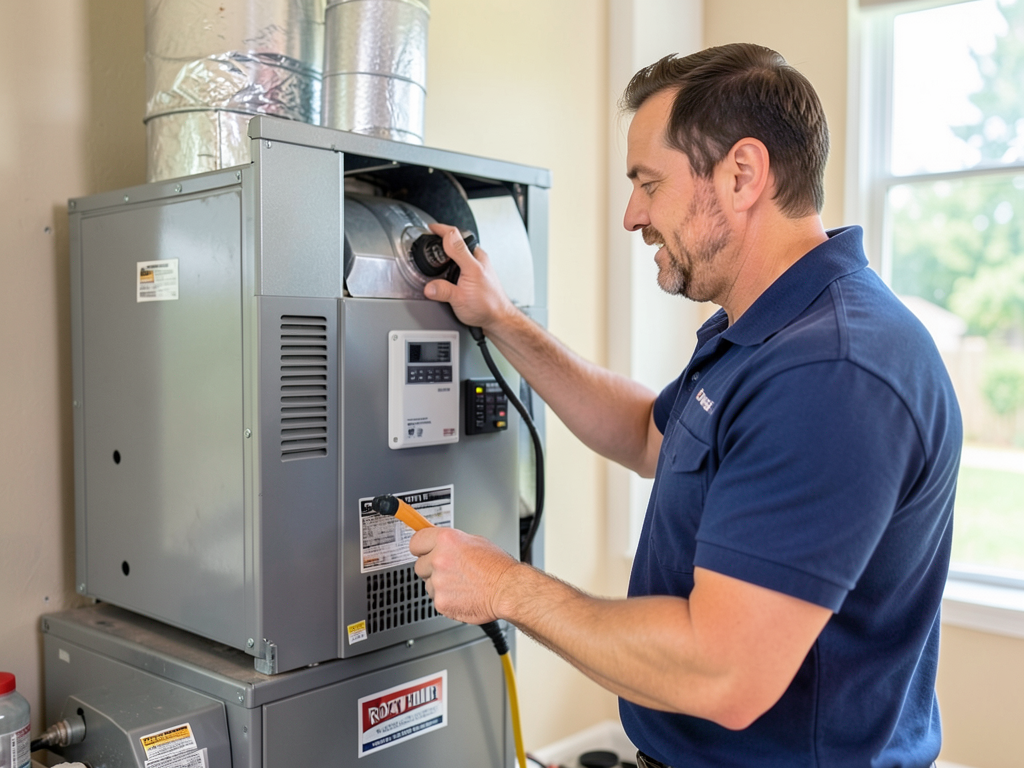
Why a Variable Speed Furnace is the Secret to Ending Hot and Cold Spots in Your Rocky Hill House Living in a home where one room feels like an icebox while another is a sauna…
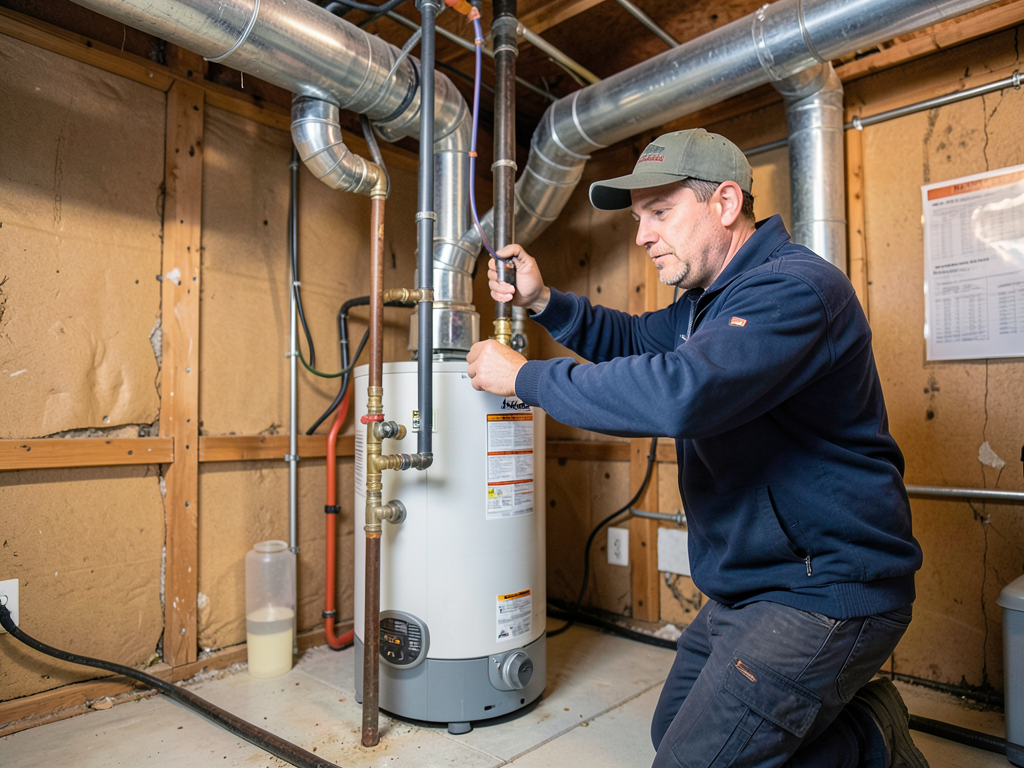
Why Farmington Winters Threaten Your Hardwood Floors Your Farmington home's oak maple or cherry floors…
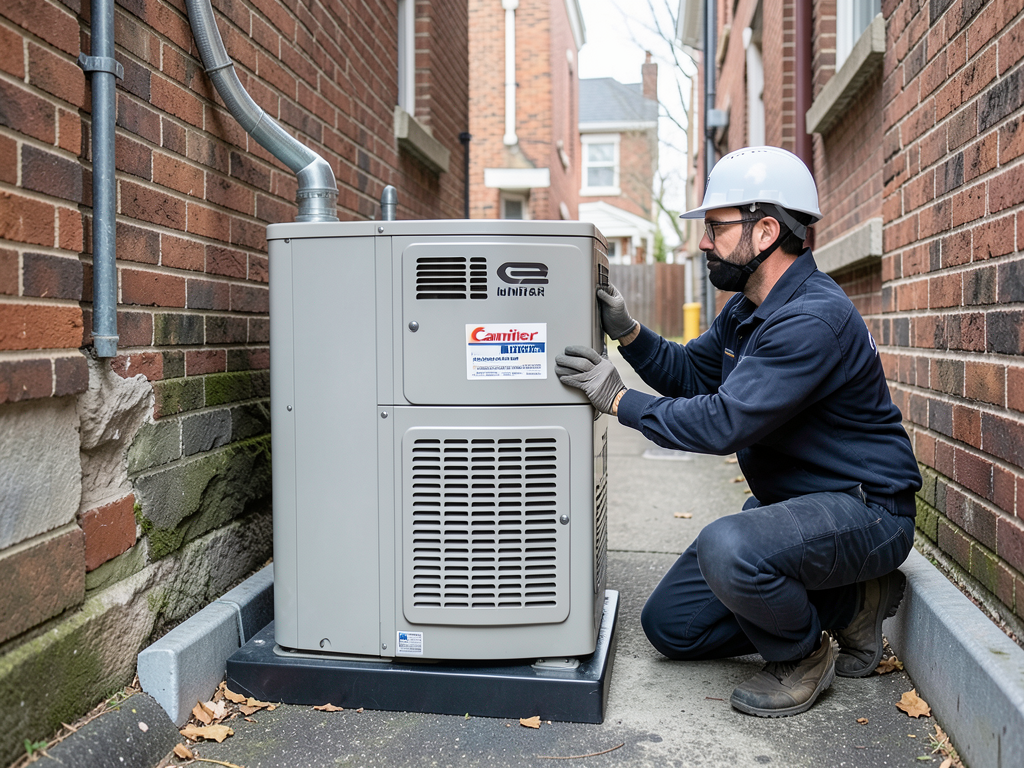
Why Sound Levels Matter in Hartford’s Blue Hills Neighborhood Living in Blue Hills means homes…
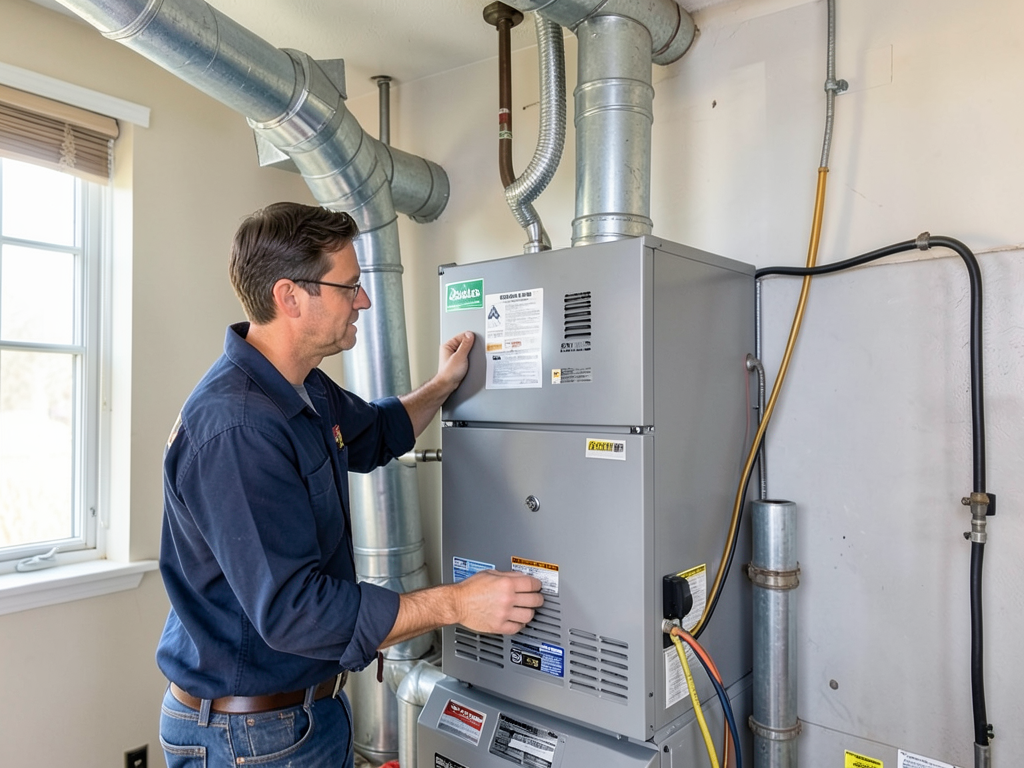
Comparing the Pros and Cons of Oil to Natural Gas Conversions in the South End…
Your comfort matters. Liberty HVAC Hartford responds quickly to restore heating and cooling when systems fail. Call (959) 203-9992 now for emergency service or scheduled maintenance. Our technicians arrive prepared to diagnose problems and complete repairs efficiently. Stop suffering through equipment failures and get professional HVAC service today.